Ines Richter · 2 September 2026
The United Kingdom is set to introduce enhanced traceability measures for timber imports beginning in January 2025. These regulations are designed to ensure that all imported wood products can be traced back to their source, thereby preventing the entry of illegally harvested timber into the British market and supporting global efforts to promote sustainable forestry.
Regulatory Framework and Compliance
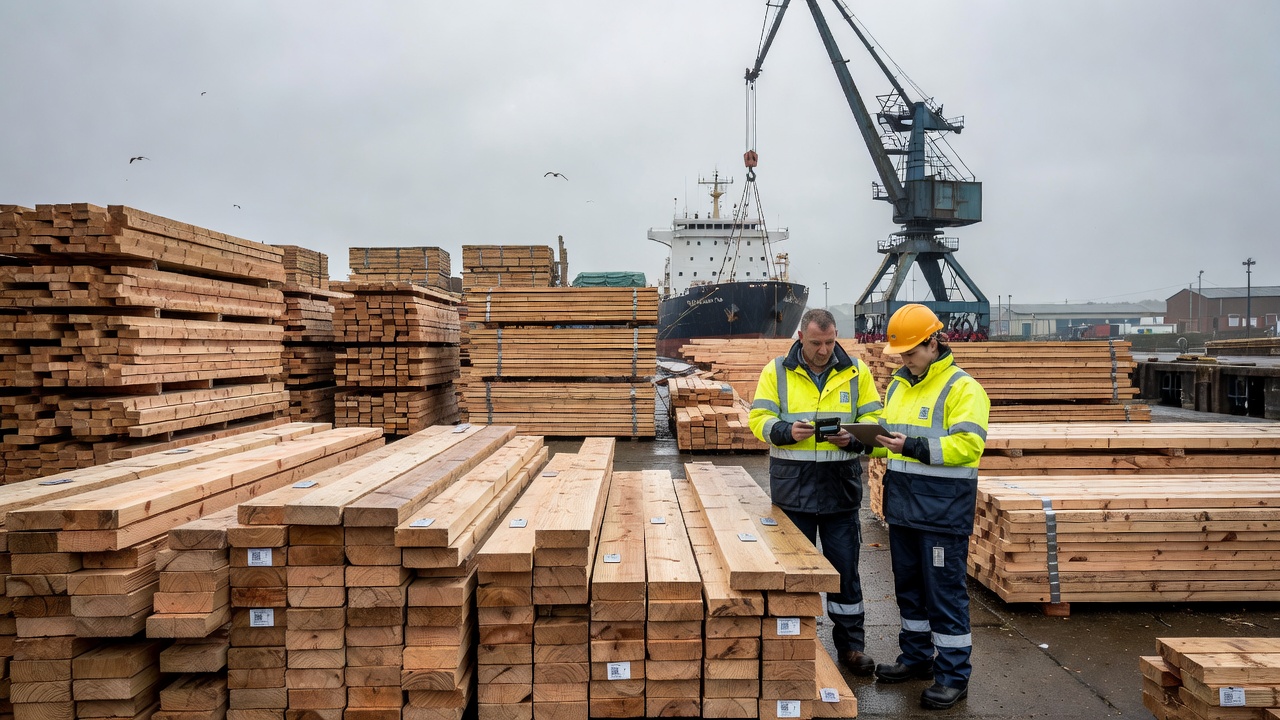
The new rules will require importers to submit comprehensive records including harvest permits, transport logs, and processing details for every shipment. Authorities will conduct random checks and audits to verify the authenticity of the provided information. Products such as sawn wood, plywood, and wooden furniture will all fall under the scope of these requirements. Non-compliant shipments risk being denied entry or destroyed at the importer's expense. Industry analysts predict that these changes will increase administrative costs for traders by up to 15 percent initially. However, long-term benefits include reduced risks associated with supply chain disruptions due to illegal sourcing scandals. The government has indicated support for businesses adapting to these standards through various programs.
Implications for the Timber Industry and Environment
By enforcing stricter traceability, the UK aims to align its policies with global sustainability goals, encouraging better forest management practices worldwide. This is particularly relevant for companies committed to sustainable wood use, as it levels the playing field against less responsible competitors. Furthermore, the regulations are likely to accelerate the adoption of digital tracking solutions within the sector. Importers who already utilize certified sustainable sources may find themselves at a competitive advantage. Environmental advocates emphasize that such measures are crucial in the fight against climate change and habitat loss. Overall, stakeholders are urged to prepare thoroughly for the transition period leading up to 2025 to avoid potential disruptions in timber supply.