Ines Richter · 3 November 2026
Southern England Beech Managers Test Selective Cutting to Sustain Timber Supplies and Wildlife Habitats
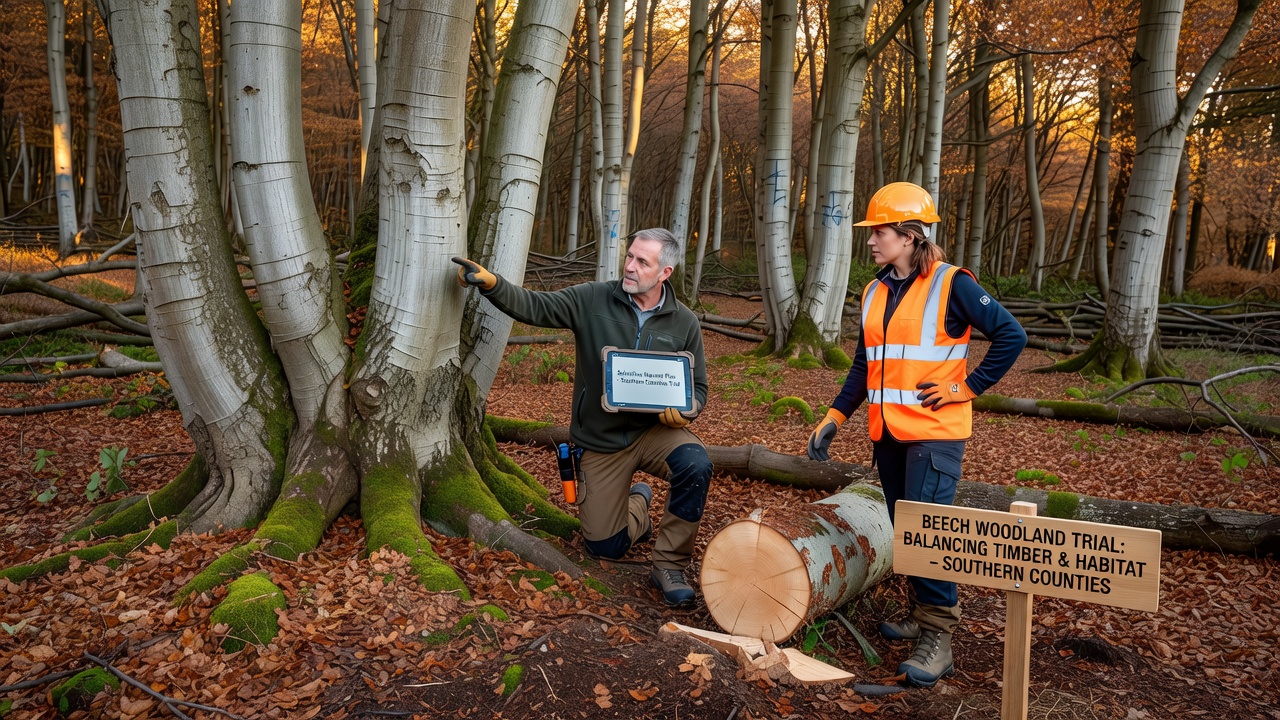
Managers overseeing beech woodlands across southern counties have begun trials of selective harvesting methods designed to maintain timber production levels while supporting habitat requirements for local species. These initiatives focus on areas in Hampshire, Sussex and Kent where beech stands have supported both commercial forestry and ecological functions for generations. Data from earlier pilot sites indicate that targeted removal of individual mature trees can open canopy gaps sufficient for understory regeneration without widespread disturbance.
Background on Beech Woodlands in the Region
Beech forests in southern England cover significant portions of the landscape and contribute to regional timber markets through high-quality hardwood output. According to records maintained by the Forestry Commission, these woodlands have faced pressure from changing climate patterns and competing land uses. Selective harvesting trials address both economic needs and conservation priorities by limiting the scale of intervention at any single location. Researchers have documented that such approaches allow retained trees to continue providing structural diversity essential for nesting birds and invertebrate communities.
Trial Design and Implementation Details
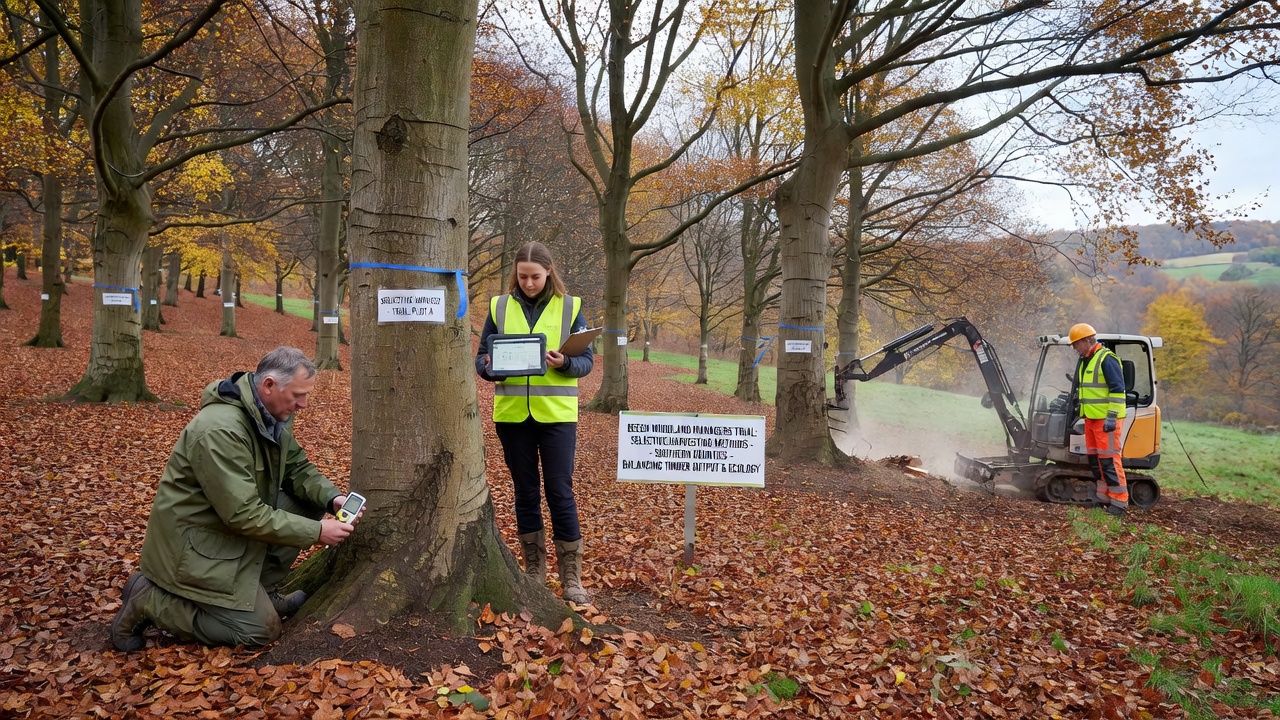
Teams conducting the trials select individual stems based on size, health and location within the stand, removing only those that meet predefined criteria for timber value. This method contrasts with traditional clear-felling by preserving continuous canopy cover across most of the area. Equipment operators work within marked corridors to minimise soil compaction, while ecologists monitor ground flora recovery at regular intervals. Figures released by participating estates show that timber volume extracted per hectare remains comparable to previous rotational systems when averaged over multiple years.
Monitoring protocols include fixed-point photography and species surveys conducted before and after each harvesting phase. Observers note improved light penetration in treated plots has encouraged growth of shade-intolerant plants that support pollinator populations. Data collected through autumn 2025 will feed into models projecting long-term yield alongside biodiversity indicators. Initial results are expected to be presented to stakeholders during a November 2026 workshop hosted by regional forestry groups.
Habitat Preservation Measures Integrated with Harvesting
Each trial compartment incorporates designated retention zones where no trees are removed to safeguard veteran specimens and associated microhabitats. Deadwood creation occurs through deliberate retention of standing snags and fallen logs, measures aligned with recommendations from Natural England habitat guidelines. Managers coordinate with local wildlife trusts to time operations outside peak breeding seasons for protected species. These steps ensure that timber extraction proceeds alongside documented improvements in structural complexity within the woodland.
Soil protection receives particular attention through the use of low-ground-pressure machinery and seasonal restrictions on wet-weather operations. Evidence gathered from comparable sites in continental Europe suggests that such practices reduce erosion risks while maintaining nutrient cycling processes. Participants in the southern counties programme have adopted similar restrictions and report stable soil conditions across monitored plots.
Timber Output and Market Considerations
Timber harvested under the selective regime undergoes grading for construction, furniture and specialist markets, with volumes tracked through established supply chains. Industry reports indicate steady demand for sustainably sourced beech continues to support local sawmills. By spreading removals over longer intervals rather than single large cuts, managers achieve more consistent annual supply that matches processing capacity. This approach reduces the boom-and-bust pattern sometimes associated with traditional felling cycles.
Links to broader policy frameworks appear through alignment with UK woodland carbon code requirements and emerging EU deforestation regulation standards. One participating estate has published yield data through the Forestry Commission portal, allowing comparison with conventional management outputs. Another trial site references methodology from a University of British Columbia forestry study on continuous cover systems to refine selection criteria.
Monitoring Outcomes and Future Expansion
Long-term monitoring will track changes in tree regeneration rates, bird populations and soil carbon storage across treated and control areas. Preliminary observations suggest that selective methods maintain higher levels of canopy continuity compared with clear-fell alternatives, supporting species that require mature forest conditions. Managers plan to scale successful protocols to additional sites once statistical confidence in the data increases.
Collaboration between estate owners, researchers and regulatory bodies continues to shape adaptive management adjustments. Records from the current phase provide baseline information for evaluating performance against both timber production targets and habitat quality metrics through the coming decade.
Conclusion
The southern counties beech woodland trials demonstrate how selective harvesting can integrate commercial timber objectives with habitat preservation requirements. Ongoing data collection through November 2026 and beyond will determine whether these methods deliver sustained benefits across both economic and ecological measures. Results will inform wider adoption decisions among woodland managers facing similar balancing challenges.