Ines Richter · 8 September 2026
Old-Growth Forest Safeguards Under Scrutiny as Protection Policies Evolve
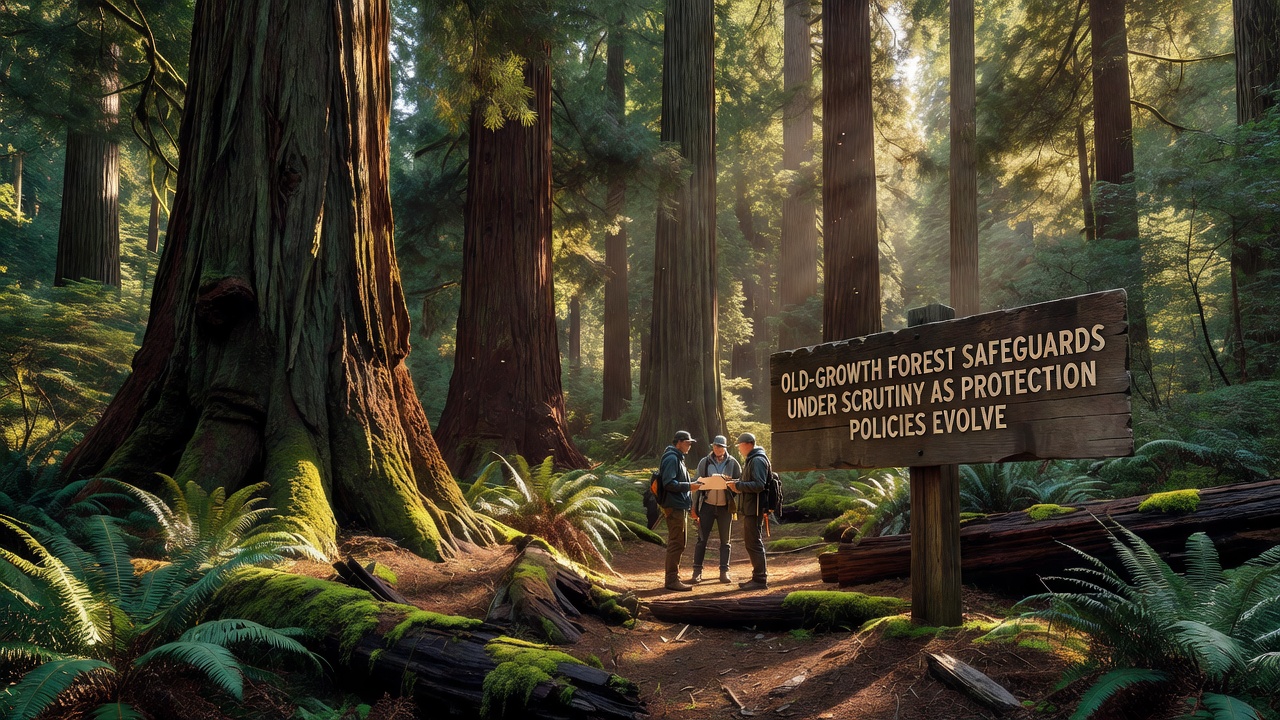
Old-growth forests represent ecosystems that have developed over centuries without significant human disturbance, and their safeguards now face renewed examination as governments adjust protection frameworks across multiple regions. These forests store substantial carbon reserves while supporting unique biodiversity that younger stands rarely match, which explains why policy shifts draw attention from forestry agencies and conservation groups alike.
Countries have maintained varied approaches to these areas for decades, yet recent reviews highlight gaps in enforcement and monitoring. Data from the US Forest Service indicates that roughly 18 million acres of inventoried roadless areas remain under federal oversight, though management plans continue to evolve through public comment periods and court challenges.
Defining Old-Growth Characteristics and Regional Differences
Observers note that definitions vary by jurisdiction, with some criteria focusing on tree age thresholds while others emphasize structural complexity such as multi-layered canopies and large-diameter snags. In Canada, federal inventories classify stands older than 250 years in coastal regions as old-growth, whereas interior provinces apply different benchmarks tied to species composition. European nations often prioritize continuity of habitat over strict age metrics because historical land use has altered most remaining woodlands.
These distinctions matter when policies come under review because classification determines which parcels receive legal protection and which remain open to selective harvesting. Researchers at several universities have documented cases where reclassification led to expanded buffer zones around sensitive habitats, reducing edge effects from adjacent logging operations.
Policy Reviews and September 2026 Milestones
Multiple agencies have scheduled assessments that will conclude in September 2026, examining whether existing safeguards adequately address climate-driven disturbances such as drought, wildfire, and invasive species. Canadian authorities plan to release updated maps of at-risk old-growth stands by that date, incorporating satellite imagery and ground-truthing data collected over the previous two years. Australian federal guidelines similarly call for a progress report on the National Forest Policy Statement amendments, which seek to balance timber supply with conservation targets in states like Tasmania and Victoria.
Industry groups have submitted comments arguing that updated rules should allow limited active management to reduce fuel loads and maintain forest health. Environmental organizations counter that any relaxation risks fragmenting the last intact blocks that support species dependent on long-term stability. The upcoming deadlines therefore represent focal points where data on carbon sequestration rates and species recovery will influence final language.
Enforcement Challenges and Monitoring Tools
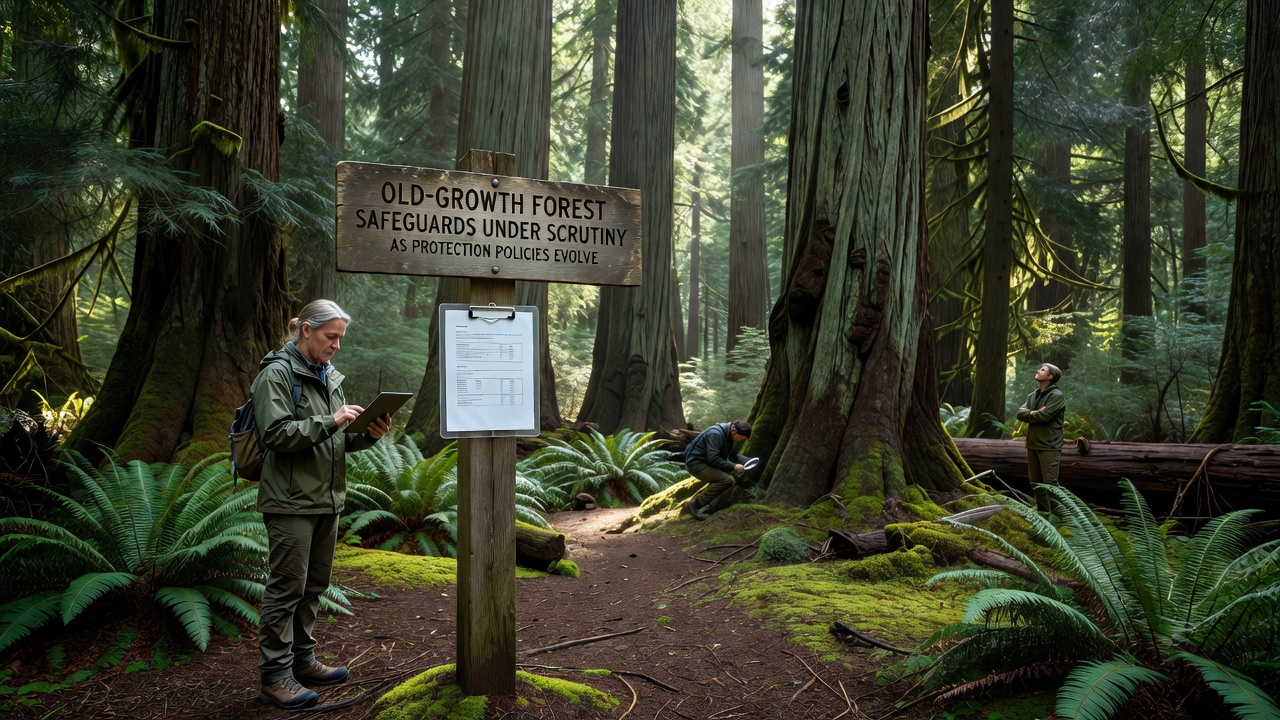
Even when strong rules exist on paper, implementation often lags because agencies lack sufficient field staff or real-time detection systems. Satellite programs now track canopy cover changes at monthly intervals, yet ground verification remains essential for confirming whether removals occurred legally. One study released by an international research consortium revealed discrepancies between reported harvest volumes and observed canopy loss in several border regions, prompting calls for harmonized reporting standards.
Digital platforms that combine remote sensing with community reporting have improved transparency in parts of Scandinavia and the Pacific Northwest. Those systems flag unauthorized roads or clearings within weeks rather than months, allowing quicker intervention. Still, remote areas continue to present logistical hurdles that limit the effectiveness of any safeguard package.
International Comparisons and Knowledge Sharing
European Union directives on deforestation-free supply chains have begun influencing sourcing decisions for timber products entering member states, and similar traceability expectations are emerging in other markets. New Zealand's forest certification programs require proof that harvest areas do not contain unregistered old-growth stands, creating a model that some North American jurisdictions now examine. Observers note that cross-border workshops scheduled for late 2025 will focus on aligning measurement protocols so that data collected in one country can inform decisions elsewhere.
Academic networks have compiled case studies showing that protected old-growth patches can serve as refugia during extreme weather events, allowing species to recolonize adjacent managed forests once conditions stabilize. These findings feed directly into the policy discussions scheduled for September 2026.
Conclusion
Protection policies for old-growth forests continue to adapt as new data on ecosystem services and disturbance regimes become available. The reviews culminating in September 2026 will test whether current safeguards can accommodate both conservation priorities and sustainable resource use, with outcomes likely to shape management practices for years ahead. Continued investment in monitoring technology and coordinated reporting across jurisdictions will determine how effectively those policies translate into on-the-ground results.