Elena Schmidt · 20 October 2026
Northern England Timber Recovery Sites Drive Ethical Changes with Local Processing Advances
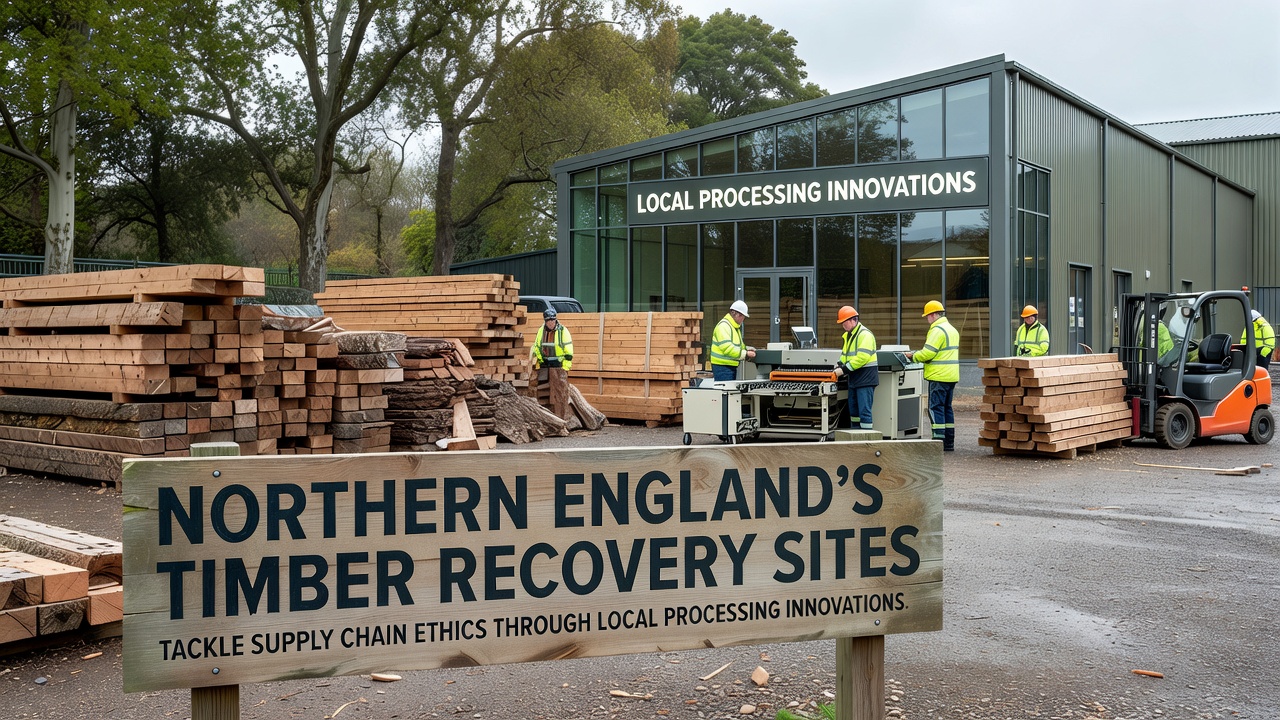
Northern England's timber recovery operations have expanded their focus on local processing facilities to address supply chain traceability and ethical sourcing requirements. These sites, concentrated in regions such as Yorkshire and Lancashire, now incorporate on-site milling and sorting technologies that reduce reliance on overseas imports while documenting material origins more precisely. Data from industry reports indicate that such approaches cut transportation distances by significant margins and allow direct verification of wood provenance from demolition projects and construction waste streams.
Local Processing Methods and Traceability Improvements
Facilities in these areas deploy automated scanning systems and digital tagging to record each timber batch's history before further distribution. This setup replaces earlier practices that routed materials through multiple intermediaries, a pattern researchers have linked to gaps in ethical compliance. According to findings from the European Commission on timber regulations, localized handling aligns with broader EU standards that demand verifiable chains of custody for all imported and domestic wood products.
One processing plant near Leeds, for instance, integrated portable sawmills with blockchain-based logging software in early 2025. Operators report that this combination enables real-time updates on material movement from recovery point to end user, satisfying requirements under evolving UK traceability rules scheduled for full effect in 2025. Similar setups in Manchester have processed volumes exceeding 12,000 cubic meters annually, with records showing consistent compliance checks at each stage.
Supply Chain Ethics and Regional Data Trends
Supply chain ethics in timber recovery hinge on minimizing risks associated with illegal logging or labor violations in distant source regions. Northern sites tackle these issues by prioritizing domestic reclaimed stock, which inherently bypasses many import-related vulnerabilities. Figures released by the USDA Forest Service highlight how shorter supply loops in comparable North American operations have lowered exposure to uncertified sources by up to 40 percent over five-year periods.
By October 2026, multiple Yorkshire facilities plan to complete upgrades that include AI-assisted defect detection and moisture analysis, further streamlining ethical verification. These innovations build on pilot programs initiated two years earlier, where local authorities partnered with academic teams from Canadian universities to adapt forestry monitoring techniques for urban wood waste. Observers note that the resulting datasets now feed into national databases maintained by the UK Forestry Commission, creating cross-referenced records that support both regulatory audits and industry benchmarking.
Case Examples from Operational Sites
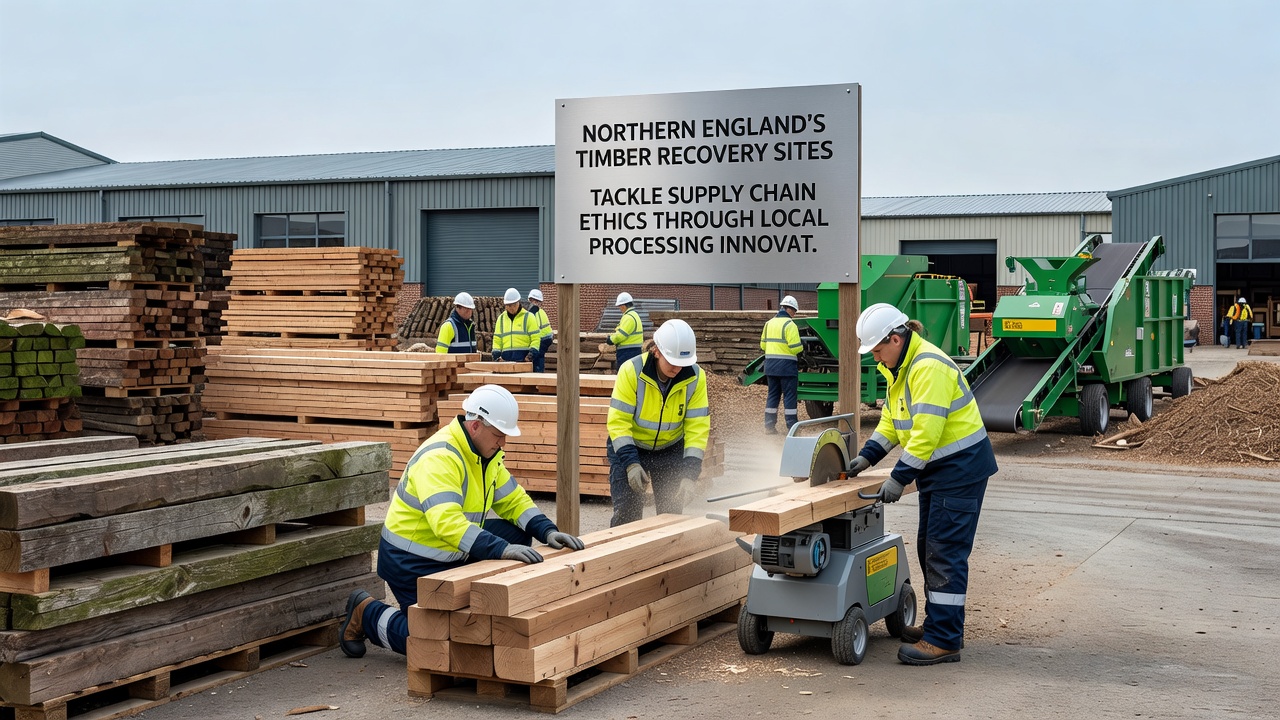
Take the recovery hub in Bradford that began full-scale local milling operations in late 2024. Staff there process oak and pine salvaged from industrial demolitions, applying heat treatment and grading protocols that meet construction-grade standards without additional long-haul transport. Records indicate this model has diverted over 8,000 tons of timber from landfill routes in its first eighteen months, while maintaining detailed origin logs that satisfy third-party ethical audits.
Another example appears in the Teesside corridor, where a consortium of small processors adopted shared digital platforms for inventory tracking. This collaboration draws on methodologies outlined in reports from the Australian Department of Agriculture, Water and the Environment, which emphasize regional cooperation for sustainable material flows. Participants have documented reduced paperwork delays and improved matching of recovered timber grades to specific buyer specifications, outcomes that strengthen overall supply chain accountability.
Broader Industry Context and Future Projections
Industry organizations such as the Timber Trade Federation have tracked rising adoption rates of these localized models across Northern England. Their quarterly summaries show that facilities employing on-site innovations report higher rates of certified output compared with those dependent on centralized sorting yards farther south. This pattern aligns with academic studies from research institutions in Scandinavia that examined similar decentralization effects on ethical compliance metrics.
Stakeholders continue to monitor how these developments interact with international frameworks, including updates to the Convention on International Trade in Endangered Species that affect certain hardwood categories. Northern sites have responded by expanding species identification training for operators, ensuring recovered materials undergo species-level verification before leaving the facility. Such steps provide concrete data points that feed into ongoing policy discussions at both national and EU levels.
Conclusion
Northern England's timber recovery sites continue to refine local processing techniques as a direct response to supply chain ethics demands. Through documented advancements in traceability tools, regional partnerships, and technology integration, these operations generate measurable improvements in material accountability. The trajectory through 2026 suggests sustained investment in these methods will further embed ethical considerations into everyday recovery workflows.