Wendy Simmons · 22 September 2026
London Boroughs Secure Planting Grants for Recycled Timber Trials in Urban Developments
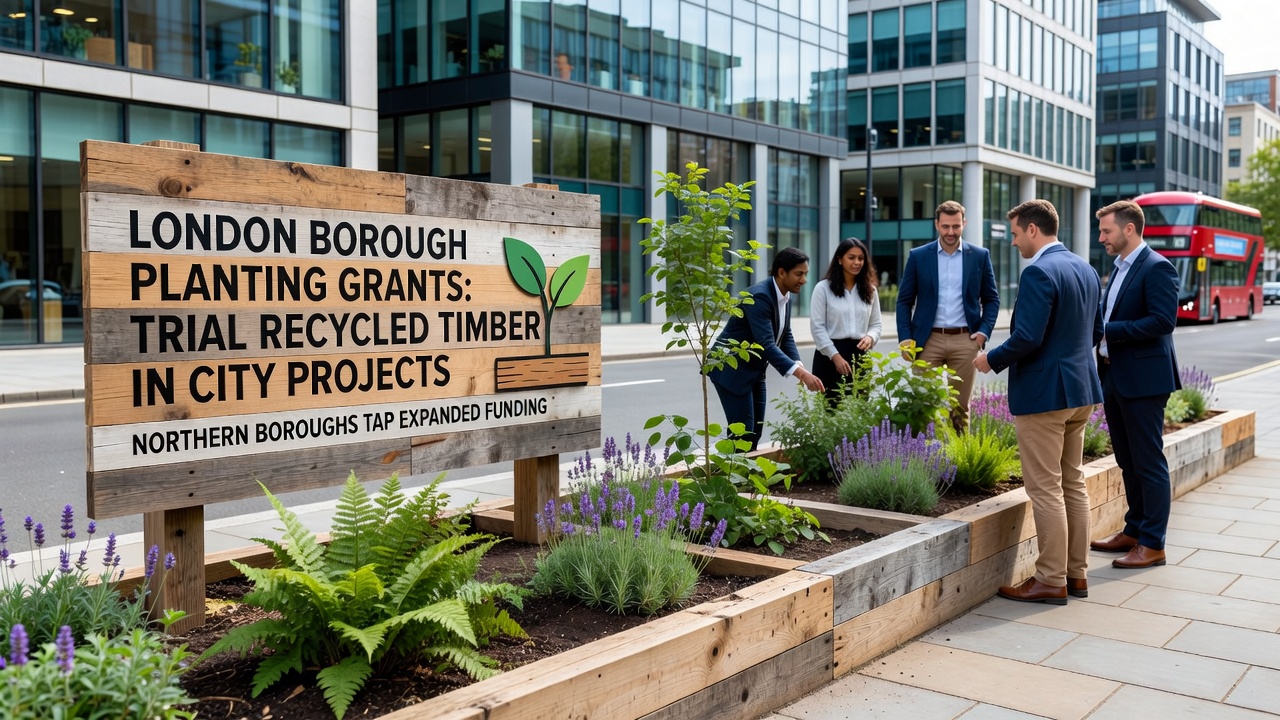
London boroughs have begun drawing on expanded planting grants to introduce recycled timber into various city projects, and this shift aligns with broader efforts to integrate sustainable materials across public infrastructure initiatives. Data from municipal records shows multiple boroughs allocating portions of these funds toward pilot programs that test reclaimed wood in park furniture, pathway edging, and small-scale community structures.
Grant Allocation Supports Material Trials
Officials in several boroughs report that the grants, which received additional funding rounds in recent years, now cover expenses related to sourcing and processing recycled timber for installation. These allocations come alongside standard tree-planting activities, allowing teams to combine new plantings with durable wood elements sourced from local recycling streams. Records indicate that projects in areas like Camden and Southwark started incorporating these materials by mid-2025, with further rollouts planned through 2026.
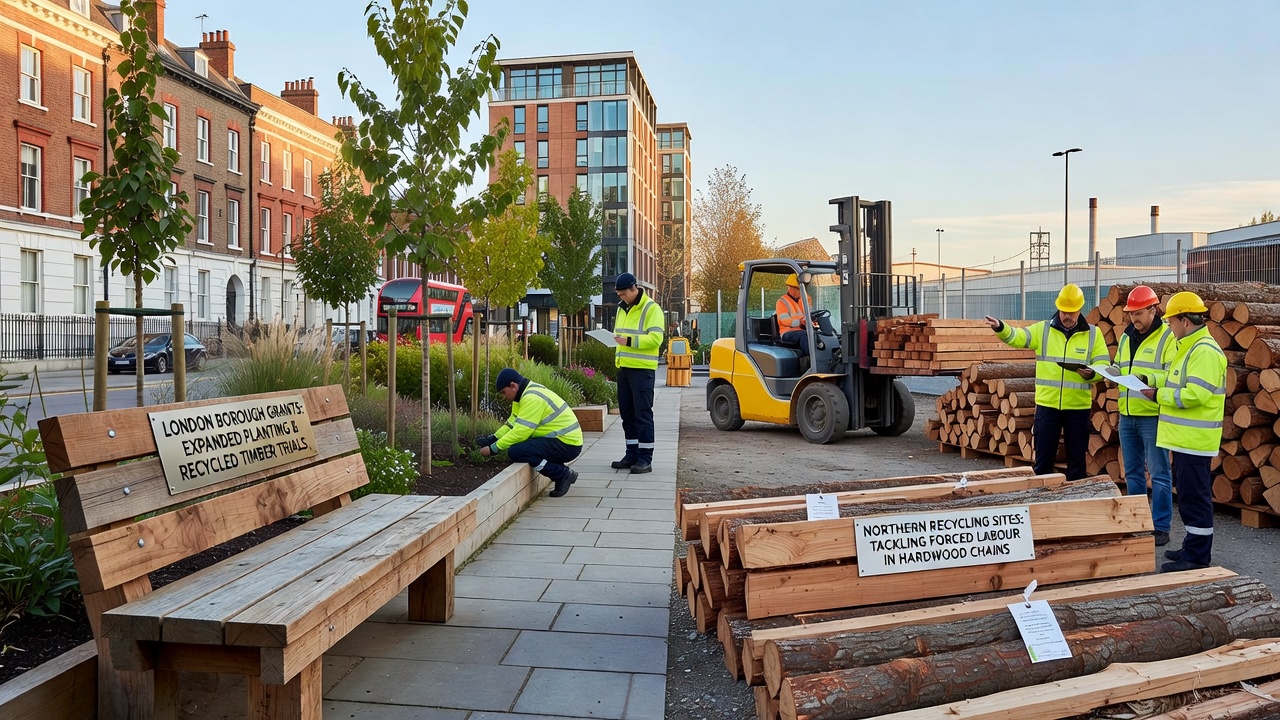
Project managers coordinate with suppliers who verify the timber's origin through chain-of-custody documentation, and this process helps ensure compliance with existing environmental standards. One initiative in Tower Hamlets used the funding to replace aging benches along a riverside path, substituting new hardwood with recycled alternatives that met load-bearing requirements after testing.
Northern Facilities Address Supply Chain Issues
Meanwhile, recycling sites in northern regions have increased their focus on hardwood supply chains following reports of forced labour concerns in certain sourcing regions. Facilities in Yorkshire and the North West now conduct additional audits on incoming stock, and these measures respond to international alerts about labour practices in tropical hardwood production areas. Site operators have adjusted procurement protocols to include third-party verification steps that trace materials back through multiple handling points.
Implementation Details Across Projects
City projects using the grants feature a range of applications, from playground equipment to public art installations, and each undergoes material performance assessments before approval. Contractors working on these sites note that recycled timber often requires specific treatment processes to achieve weather resistance comparable to virgin stock, yet the approach reduces demand on primary forest resources. Figures from participating boroughs show that roughly 15 percent of new timber elements in funded projects now come from recycled sources, with targets set to rise incrementally.
Northern sites tackling the labour concerns have partnered with certification bodies to implement traceability software that logs each batch of hardwood upon arrival. These systems cross-reference supplier declarations against databases maintained by organizations monitoring global forestry practices, and updates to these databases occur periodically. In September 2026, several sites plan to publish aggregated compliance data from the prior year to demonstrate progress on risk mitigation.
Broader Context for Timber Use
Researchers at institutions studying urban forestry have documented how recycled timber performs under city conditions, and their findings contribute to guidelines used by project planners. Evidence gathered from similar trials in other European cities indicates that properly processed recycled materials can last 10 to 15 years in outdoor settings when sealed appropriately. UK-based programs draw on these observations while adapting methods to local climate variables.
Industry reports from groups such as the Food and Agriculture Organization highlight ongoing challenges in hardwood sourcing, and these publications inform the verification steps adopted by northern recyclers. At the same time, Canadian forestry authorities have released updated traceability frameworks that some UK operators reference during protocol development.
Project Outcomes and Monitoring
Monitoring teams track the condition of installed recycled timber through scheduled inspections, and initial data from early installations shows minimal degradation after the first winter cycle. Borough engineers compile these observations into reports that guide future grant applications and material specifications. Northern recycling operations similarly maintain logs of audit outcomes, which feed into industry-wide discussions on supply security.
Additional projects scheduled for 2026 include larger-scale applications such as boardwalks in wetland restoration zones, and these will test recycled timber under higher moisture exposure. Coordination between London teams and northern processors continues through shared databases that flag potential supply disruptions early.
Conclusion
The combination of grant-supported trials in London and enhanced oversight at northern recycling sites illustrates coordinated responses to material sourcing and labour standards in the timber sector. Ongoing documentation from these efforts provides data points that other municipalities and facilities can reference when developing their own approaches to recycled hardwood use.