Ines Richter · 6 October 2026
Exploitation Risks Surface in Worldwide Teak Sourcing Investigations
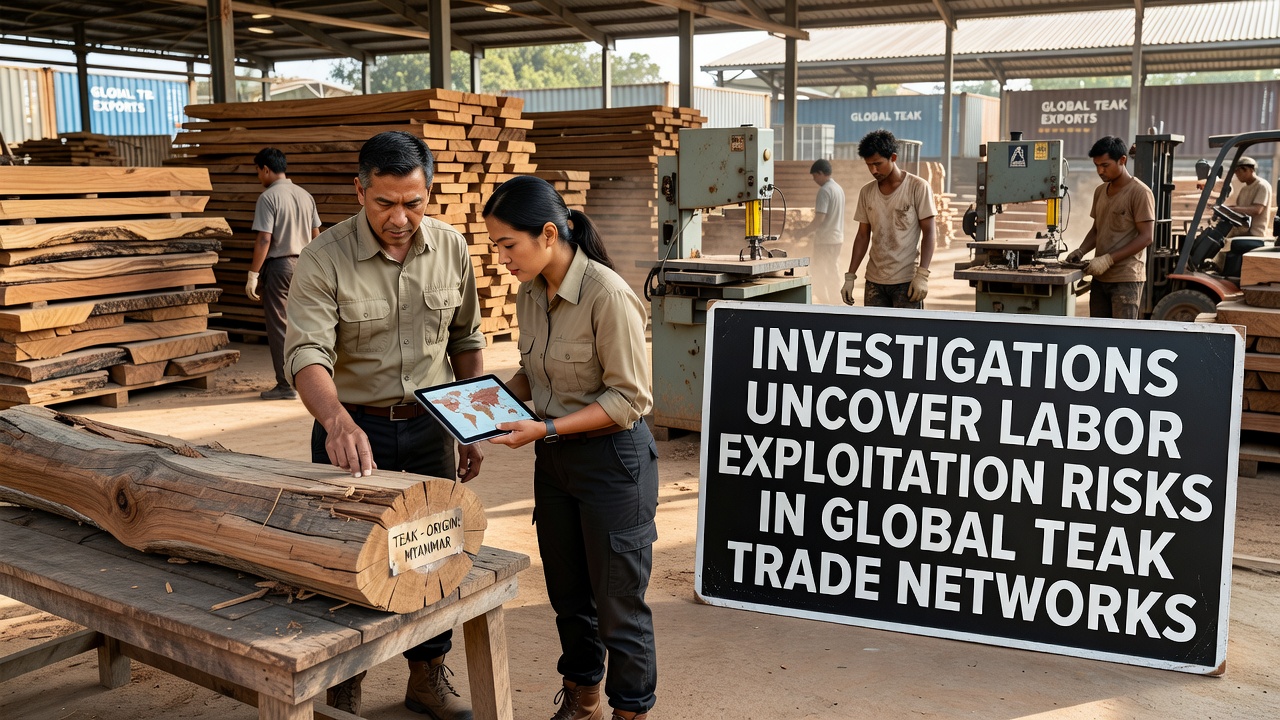
Investigations into global teak trade networks have identified persistent labor exploitation risks at multiple points along harvesting, processing, and export chains, and these patterns appear across major producer regions in Southeast Asia while extending into downstream markets in Europe, North America, and Australia. Data from regulatory bodies and monitoring organizations indicate that forced labor, debt bondage, and inadequate safety measures occur in certain forestry operations, particularly where teak plantations operate in remote areas with limited oversight.
Teak, valued for its durability in marine and construction applications, originates primarily from Myanmar, Indonesia, and Thailand, yet supply routes often involve complex intermediaries that obscure origin verification. Researchers at academic institutions have documented cases where workers receive wages below legal minimums, and recruitment practices tie employees to employers through advance payments that create cycles of indebtedness. These conditions align with broader findings on timber sectors, where seasonal labor demands and informal contracting heighten vulnerability.
Key Findings from Recent Probes
Reports released in October 2026 by international monitoring groups detail how teak extraction in conflict-affected zones correlates with elevated risks of coercive practices, and authorities in the United States Department of Labor have flagged teak among commodities associated with child labor in at least two source countries. Meanwhile, similar assessments from European regulatory frameworks highlight gaps in traceability that allow non-compliant timber to enter supply networks despite due diligence requirements. Observers note that enforcement varies significantly by jurisdiction, with some ports conducting random audits while others rely on self-declarations from importers.
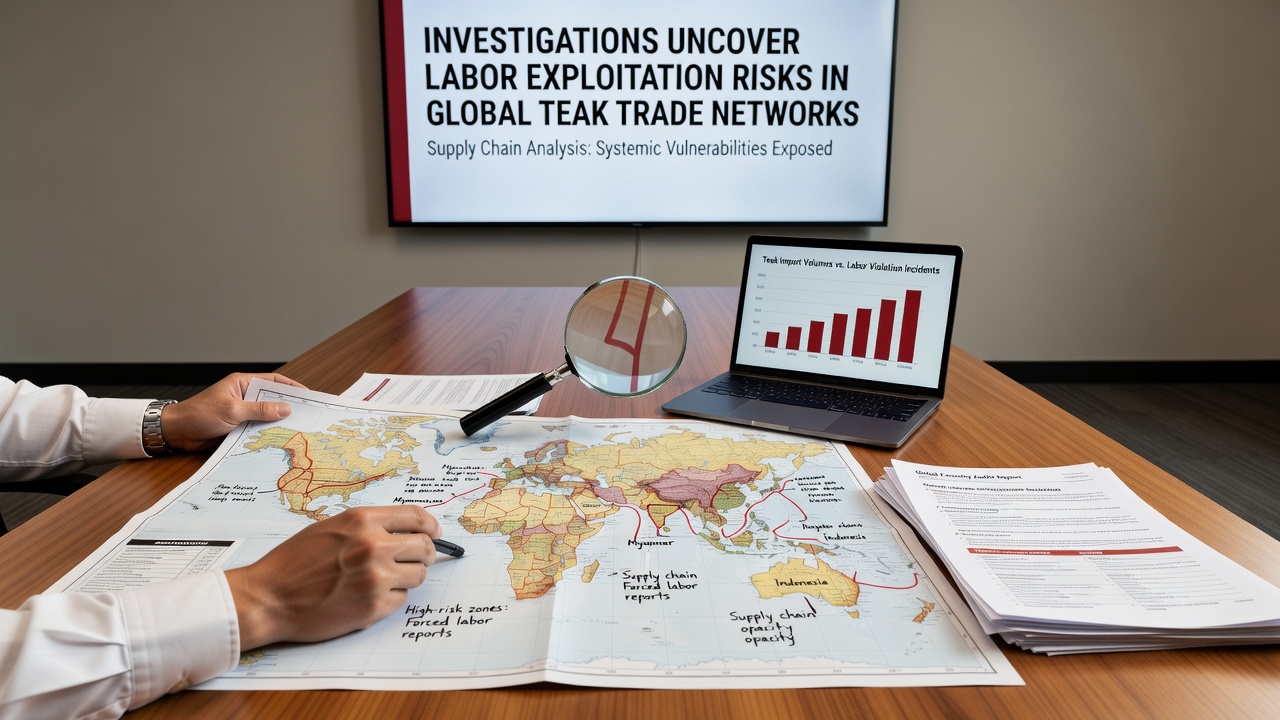
One study from a Canadian research consortium examined import records spanning five years and found discrepancies between declared plantation sources and actual harvest locations, and these mismatches raise questions about labor standards at undocumented sites. Industry associations have responded by piloting blockchain-based tracking systems, yet adoption remains uneven among smaller traders who lack resources for technology upgrades.
Regional Variations in Labor Practices
In Myanmar, ongoing political instability has complicated independent verification, and reports from United Nations agencies describe situations where military-linked enterprises control significant teak concessions. Workers in these operations sometimes face restricted movement and withheld identity documents, patterns consistent with forced labor indicators outlined in global conventions. Australian government assessments of modern slavery statements submitted by timber importers have flagged teak as a category requiring enhanced scrutiny, prompting several firms to revise supplier contracts.
Indonesia presents a contrasting picture in certified concessions where third-party audits occur regularly, yet spillover effects from informal logging persist in adjacent areas. Data compiled by the International Labour Organization shows that community-based monitoring programs have reduced reported incidents in participating villages, and these initiatives combine local oversight with export documentation checks. European Union timber regulation updates scheduled for implementation phases through 2027 aim to strengthen risk assessments for high-value species like teak, and compliance costs are expected to influence sourcing decisions among mid-sized distributors.
Supply Chain Responses and Traceability Efforts
Downstream manufacturers in furniture and decking sectors have begun incorporating labor clauses into procurement policies, and several large importers now require annual third-party social audits alongside environmental certifications. These measures build on earlier traceability rules, yet gaps remain when teak passes through multiple re-exporters in Singapore or Malaysia before reaching final destinations. Academic papers published in forestry journals emphasize that combining satellite monitoring with worker interviews yields more reliable risk profiles than paperwork alone.
Trade data from 2025 reveal steady import volumes into the UK and EU despite regulatory tightening, and analysts attribute this continuity to stockpiling ahead of stricter verification deadlines. Organizations focused on responsible sourcing have developed training modules for auditors that address common indicators of exploitation, such as excessive overtime without compensation and absence of grievance mechanisms. Implementation of these tools varies, with larger corporations advancing faster than fragmented smallholder networks that dominate certain production zones.
Conclusion
Collective evidence from government agencies, international bodies, and independent researchers demonstrates that labor exploitation risks in teak trade networks require sustained attention across sourcing, transport, and retail stages. Continued development of verification technologies, alongside cross-border cooperation on enforcement, offers pathways for reducing vulnerabilities while maintaining trade flows. Stakeholders in producer and consumer countries continue to refine approaches as new data emerges from ongoing monitoring activities.